
Review of Canon 14-35f4L for Landscape Photography
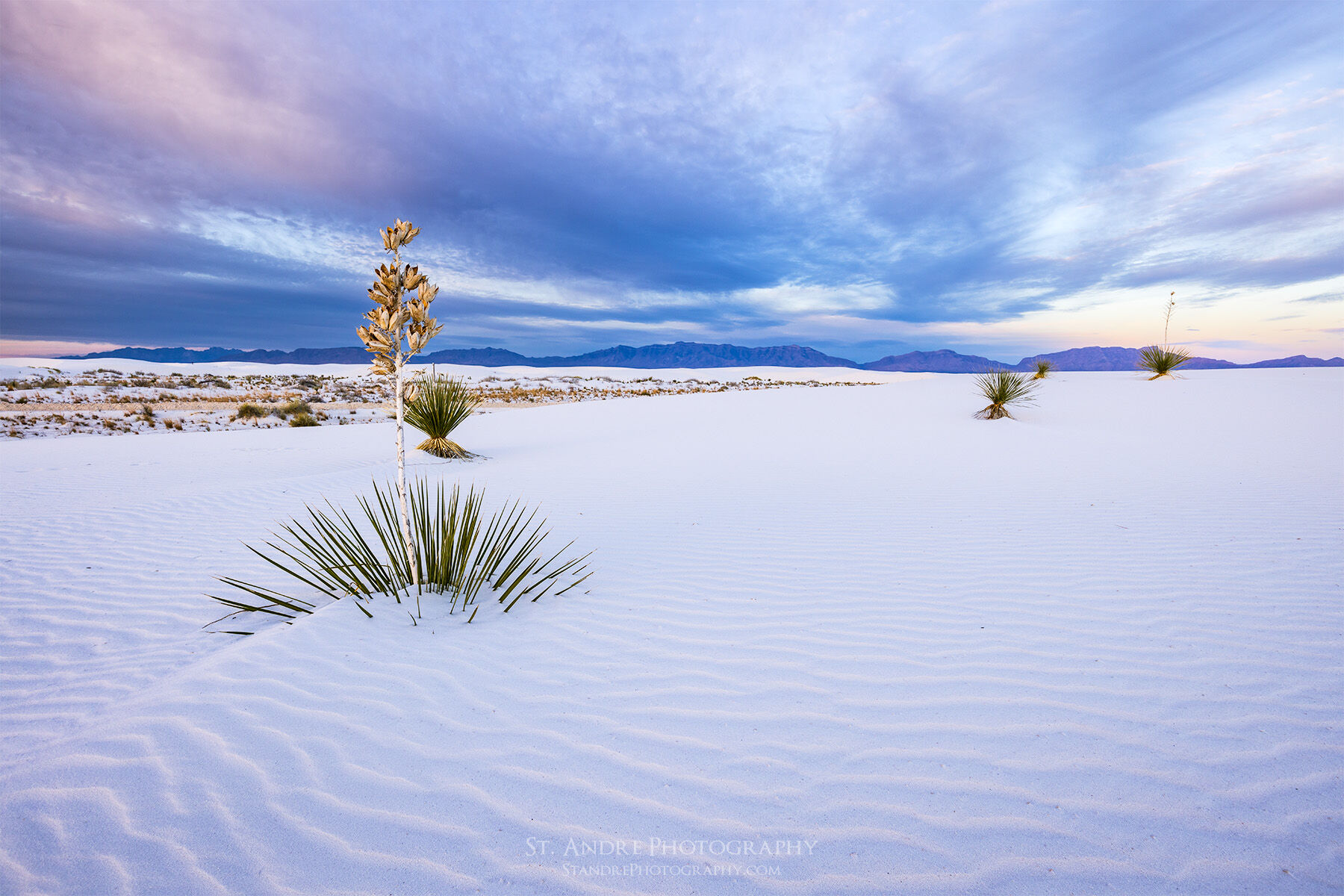
Above image taken on the 14-35f4L
I think the Canon 14-35F4L launched sometime in 2021 and a lot of review sites got their grubby paws on the lens and did a quick review and threw that up on the internet. Most of these guys are lens reviewers and are not landscape photographers. Some are landscape photographers adjacent and dabble in the practice, but that does not make them a landscape photographer. I on the other hand am.
So when I got my grubby paws on this lens it was because I needed a new workhorse that didn't weigh 3 or 4 pounds like my Tamron lens. After hiking well over 100 miles with my monster Tamron 15-30f2.8 I had enough of that crap and was looking for a change. I also wanted a lens where I could use a polarizer on the front without some special equipment. Frankly, I wanted to make my rainbows look real good and photograph leaves without having glaring highlights and I just couldn't do that with my Tamron. So after a decent art show I dropped the money on the Canon RF 14-35 f4L.
Overview of Use
As of this moment I have put 2534 frames into lightroom from this lens this year. This includes all focal ranges from ultra wide to the max 35mm range. I have used it in very cold to very hot conditions including the following: rain, shine, sunrise, sunset, day hikes down rivers, crap roads and so forth. I have not shot fall colors yet with it, but I will change that in the next few weeks. I have not used it for astro photography, but I have my Tamron 15-30 f2.8 for that, so I don't really care in that regards.
Price
As of the writing of this article, this lens is about $1100 dollars. The f2.8 version sits at a cool $2100. I would like the image quality of the 15-30 f2.8 but I can fly to Hawaii and spend three days there for that $1000 dollar. So for the price range, this lens is hard to beat especially for its quality.
Zoom Range
I know exactly what I expect out of this lens. I occasionally wish for wider, but more often then not the zoom range is right in the sweet spot for landscape photography. Now one thing that is often missed when you read review websites it that this lens actually isn't a true 14mm lens... sort of. Because of its ultra wide field of view, when an image is taken the barrel of the lens is in view (Figure 1). In order to counter this, the camera actually has a built in setting to correct this on the view finder, so it cannot be seen while photographing. In addition when the image is brought into Lightroom, the auto lens correction hides the flaw as well. But when the image correction is turned off you get to see the full 14mm view which is quite wide.

Figure 1: image taken in Arizona. In the corners the edges of the barrel is seen.
If you always plan on letting the lens do the auto correction your actual true field of view is closer to 15 or so. You can take full advantage of the 14mm field of view if you turn off lens correction and use a 1x2 crop. Or if you don't have a soul you can leave the barrel distortions in as well.
One trick to get around the barrel in frame issue is to ever so slightly zoom in and you can mitigate it quite a bit. Just a food for though for you photographers.
I generally do not photograph much at the 35mm range, but having it is useful. I find 30mm to not be quite enough zoom most of the time so having that extra 5mm makes a big difference. For example while photographing the badlands I needed that 35mm range to get a nice field of view without the overly boring sky. I like the range and if I want more zoom, I will switch over to the24-105.

This is not the first time I have seen or photographed these structures, I just don't feel like I was particularly satisfied with the outcome until recently. With the soft light grazing the tops of the hills and the clouds being highlighted in a soft yellow, I am happy with the way this image come all together.
Image quality
Most of my images are taken at 14mm wide and I find them to be quite good. The center of the image is the sharpest and the edges get a bit soft or distorted. When I compare them to my Tamron 15-30 f2.8 the Tamron is about on par or a bit sharper and the Tamron doesn't have that barrel distortion issue. Now is the Tamron a cheaper option if you are in the market of a new lens, the answer yes. In the end though I would go with the Canon because it is half the weight.
Speaking of image quality. I have printed images up to 30x45 with this lens with no issues. Image quality is not going to be a major issue. It will surpass the 24-105f4L and most of the older lenses on the market.
Other note, if you want to improve the overall image quality, you can use software like AI sharpen through adobe or through the use of Topaz. Both work well.
F-Stop and Sharpness
Now lets bring up one more aspect of sharpness, F-stop number. If you are new to this let me do a quick run down. Lenses come with a range of f-stops. These deal directly to the little leaflets in your lens that act like your iris that expand and contract to allow various amounts of light into your eye. The smaller the F-stop number you use, the bigger the opening is and the shallower your depth of field is. The bigger the number you use the greater your depth of field is and smaller the opening. The trade off is that as the f-stop increases in number the softer your image becomes because some properties of light get in the way. (Diffraction if you want to know)
I have not really used this lens at f4 yet so I do not have much thoughts on that F-stop number (I'll update this in the future) but I can say a bit between f11-f18. I find my lens has a sweet spot around f13/f14, and it is ridiculously sharp from front to back. Its kind of at a level I was not expecting. At f16 though this lens gets soft and worse at f18. I use to shoot a lot at f16, but not so much anymore.
Now there is a play between focal length, f-stop and sharpness that does need to be addressed. I need to sit down and do a few tests with this lens to get a better idea, but here is the run down. At 14mm f13 this lens is really sharp. At f16 or f18 not so much. At 20mm I have only really used f13/f14 but its just fine. At 24mm its pretty good at these numbers as well, but I think the lens performs better at 14mm than 24mm. With more use I will know better.
Weight
This lens weight is 19oz which is just a smidge over a pound. The Tamron lens weights 1 kilo or a bit over 2.2 pounds. The canon is dramatically smaller, easier to move around and creates less torque on the ball head which leads to less lens drift... in fact I haven't worried about lens drift with the canon lens since I got it. I call that a win.
Weather Sealing
I took an image in August during a massive rainstorm and photographed the waterfalls in Zion. I didn't bother babying the lens. It got rained on, misted on and generally very wet. It survived. I didn't get any misting inside the lens and it never malfunctioned. Mind you I never let it sit out in a massive downpour but in a light rain it didn't have any issues. Funny enough when I took the image below I was getting rained on too, but because of the dry air and heat the water evaporated off the lens so fast it wasn't an issue.
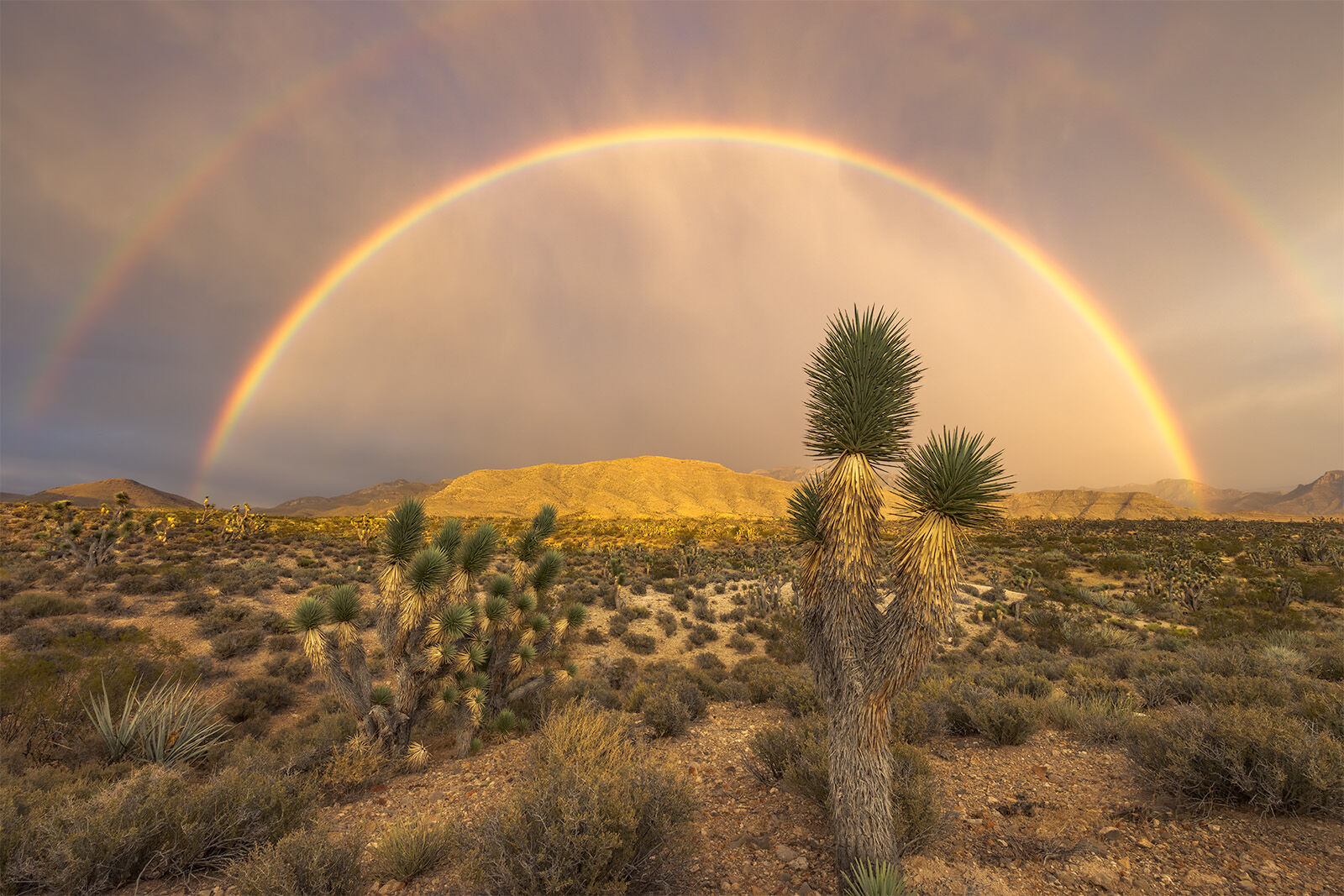
I knew there was going to be good weather this evening and I got some great conditions by Beaver Dam Wash near the Utah Aarizona border.
Threading
This lens uses a 77mm filter size. This is the same mm thread size that is on the RF 24-105f4L, RF 100-500 f4.5-5.7L and the 70-200 f4L. Which means my one polarizer now fits on my entire family of lenses. I call that a good deal. This rainbow was brought to you by my 77mm threaded polarizer
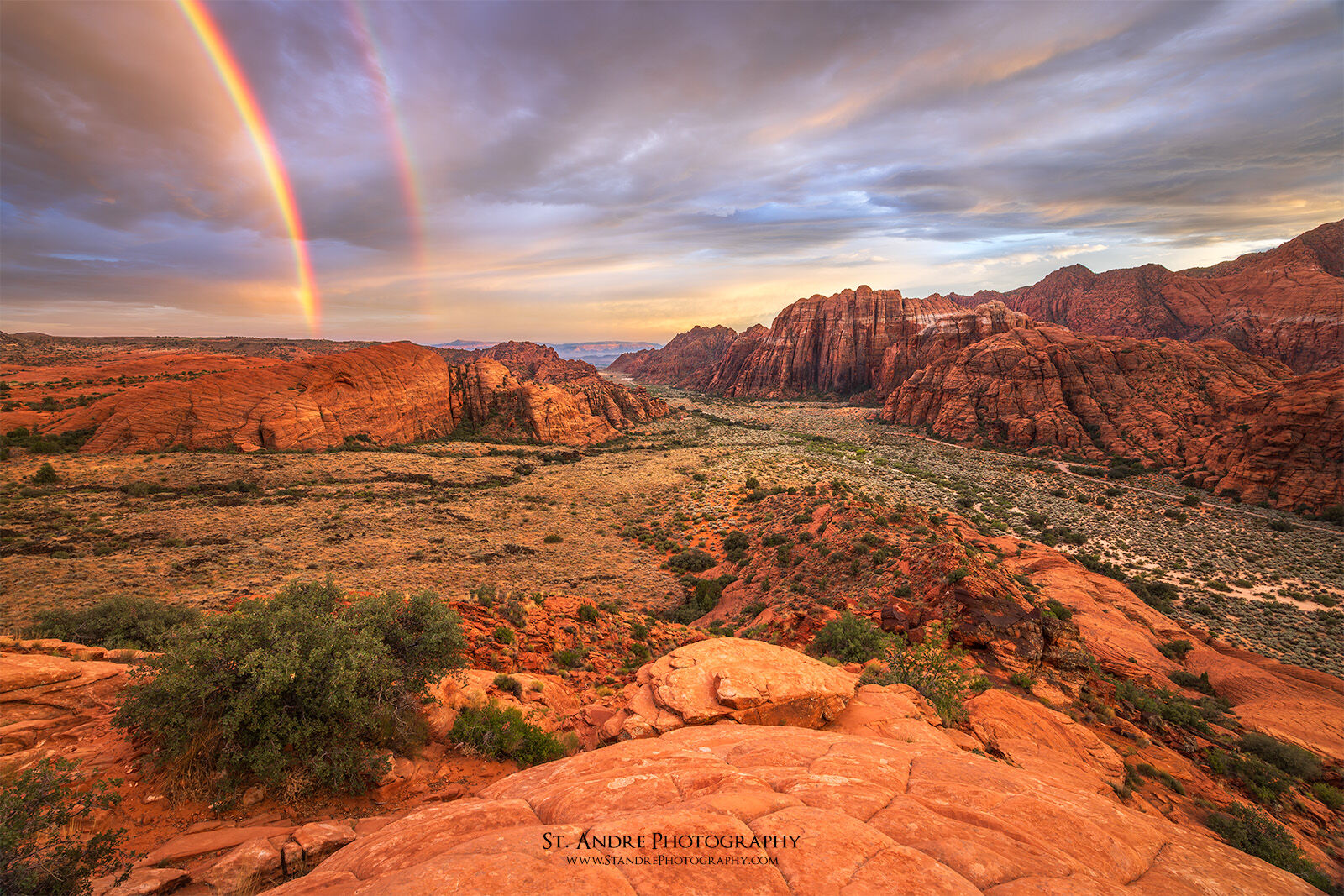
The monsoons of 2023 have so far been pretty good to us here in southern Utah. I have managed to chase a few big storms and catch some epic light, but this is the first big rainbow of the year. This image was taking in Snow Canyon on a rock outcrop sitting in the middle of the park. When I began this hike, I didn't know where I was going to end up and didn't know if the conditions would turn into such spectacular ones. I did have some hunches though and my weather spidy senses turned out to be correct. The rainbow first shows up faint and faded. Then after a few minutes the sun punched through the clouds again and out came the full arch of the rainbow. This is the south view of the double bow.
Not wanting to ruin the moment I sat in silence photographing and taking in the smell of wet creosote bush and listened to the call of a lone red tail hawk somewhere in the distance.
Sun Star
Finally got out and did some really nice sun stars with this lens. The spikes are really sharp and come out in a nice even pattern. It is nearly identical to the 24-105f4l sun star. It is not nearly as appealing at the canon 16-35f2.8 sun star, but still really good. There is a bit of a glow from the light bouncing off the lens elements right in the middle of the sun star, so light passing through the lens could be a bit better in the brightest of situations.
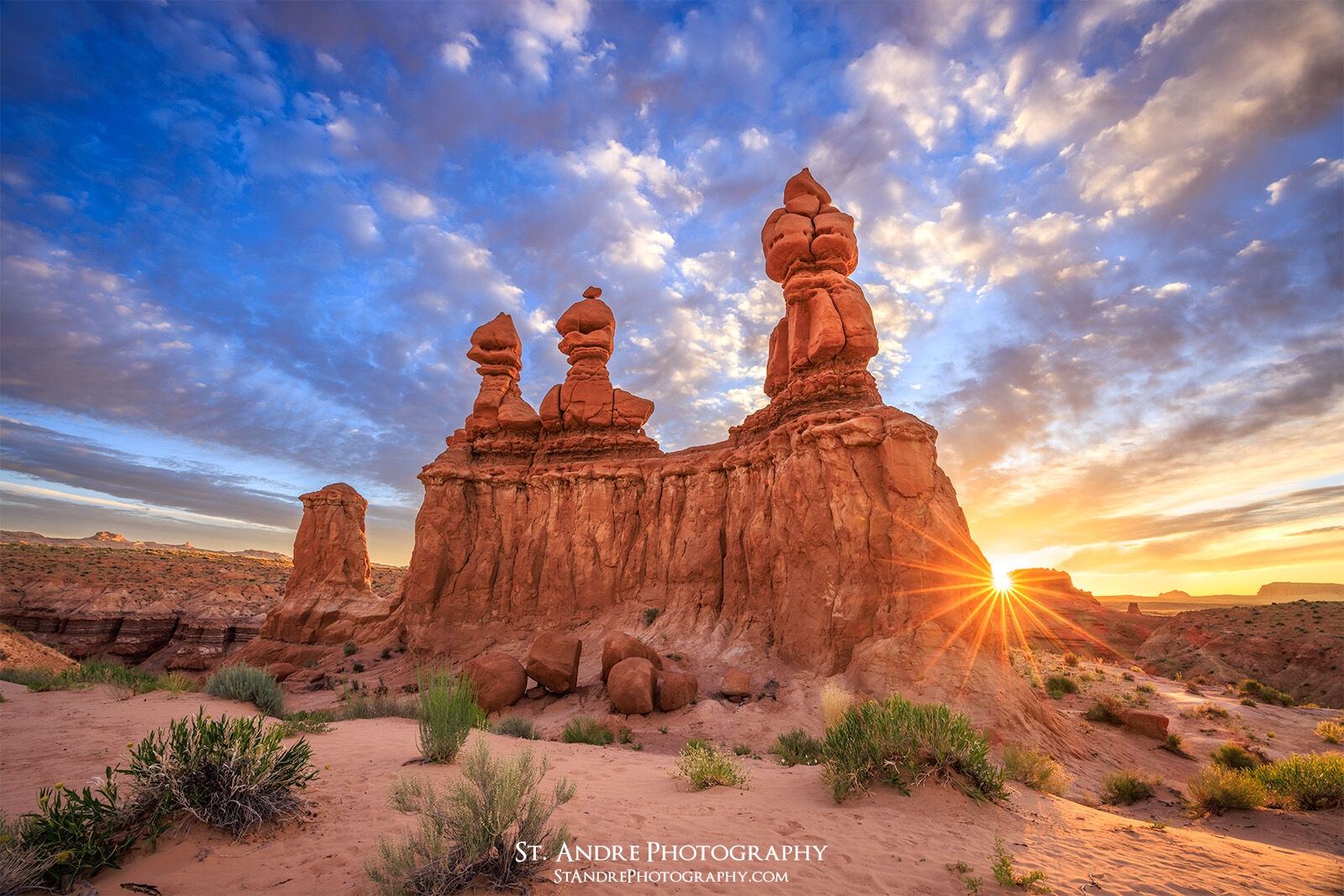
The Three Sisters in Goblin Valley are an iconic set of hoodoos of Southern Utah. They are some of the first set of goblins you get to see as you enter into the park and they happen to line up nicely with many celestial phenomenon as well.
Astro
I just don't use this lens doing night images. Infact, I have had the opportunity and passed. My Tamron works fine so I will leave it there.
Images I have sold from this lens
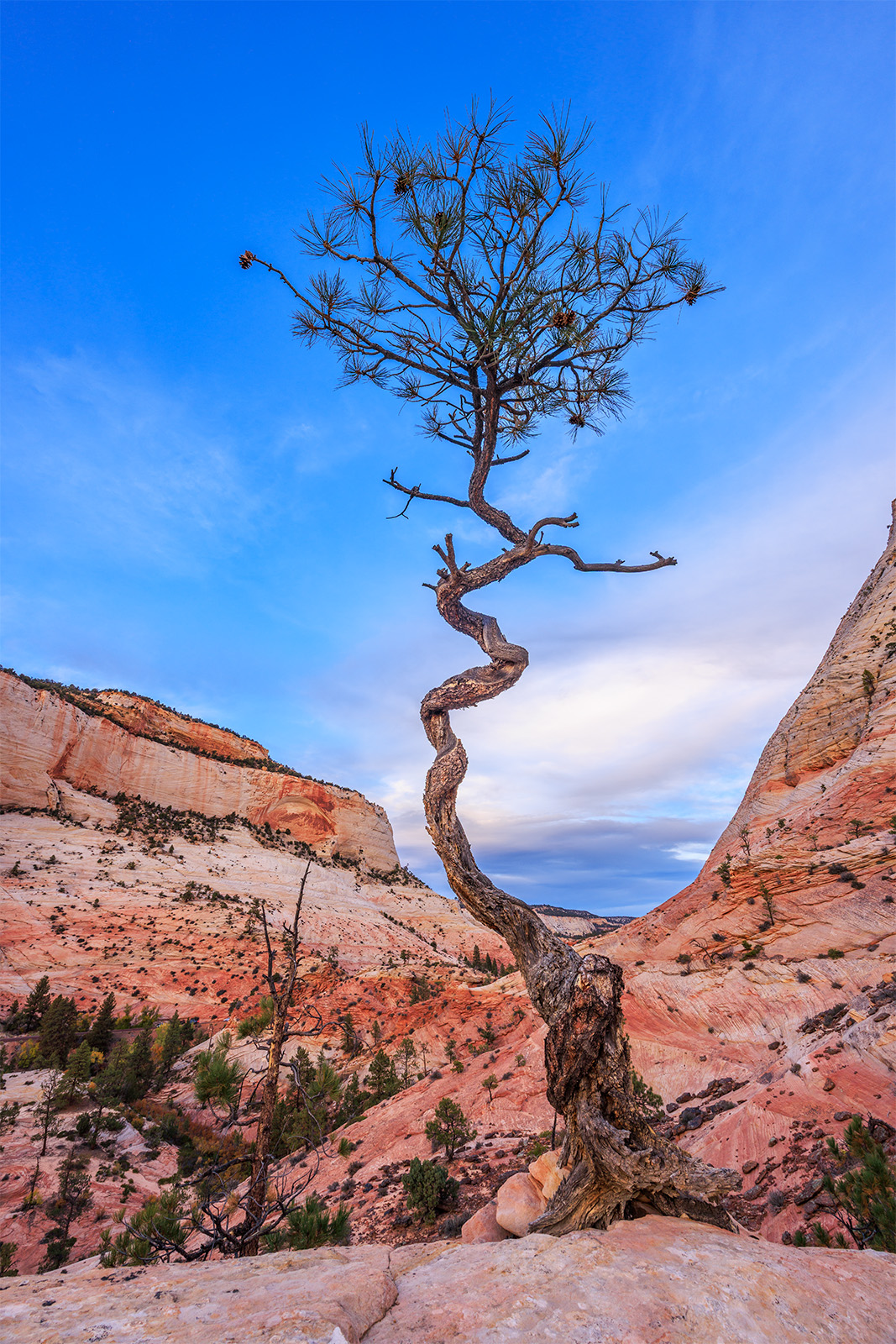
I do have a bunch of images I have sold that were taken with this lens. For example both the images below I have sold at 30x45 and 40x60. I don't have an issue with them being that big with this lens.

A little over 10 years ago I began my photographic journey in the Kolob Canyons of Zion National Park. My first images of Kolob were not spectacular but were a start that helped me understand how to use my camera. Flash forward 10 years, I find myself getting a photo the encapsulates a decade of knowledge and experience. This photo came about through dedicated planning, watching radar and understanding how light moves across the region. On top of that, I had gear that had improved by leaps and bounds from those early days. I don' t fear getting my equipment wet. So as I stood there getting drizzled on, my only fear was lightning, not failure.

I revisited a location after nearly six years. Since my last visit, I have gone through three cameras and a lot of new experience. In addition, the last time I photographed it, it was in the morning. So taking the chance to revisit in the afternoon was kind of a fun change. What I wasn't prepared for was how much the sun lit up the canyon. The light illuminated a majority of the front of the canyon and that resulted in a deep golden glow that lit up much of the canyon. I think I got it, maybe I didn't. What do you think?
Final Thoughts
I really like the lens. I am a bit irritated by the barrel distortion at the widest, but depending on what I am doing, I can manually correct or let the auto correct do my bidding and fix my problems. It is a flaw but a manageable one. The image quality is great, the price is decent and it is light weight. That last one is a big selling point for me. I can grab this lens and a 70-200 and fit them easily into my camera bag rather than having a whale lens consume all of my available space.
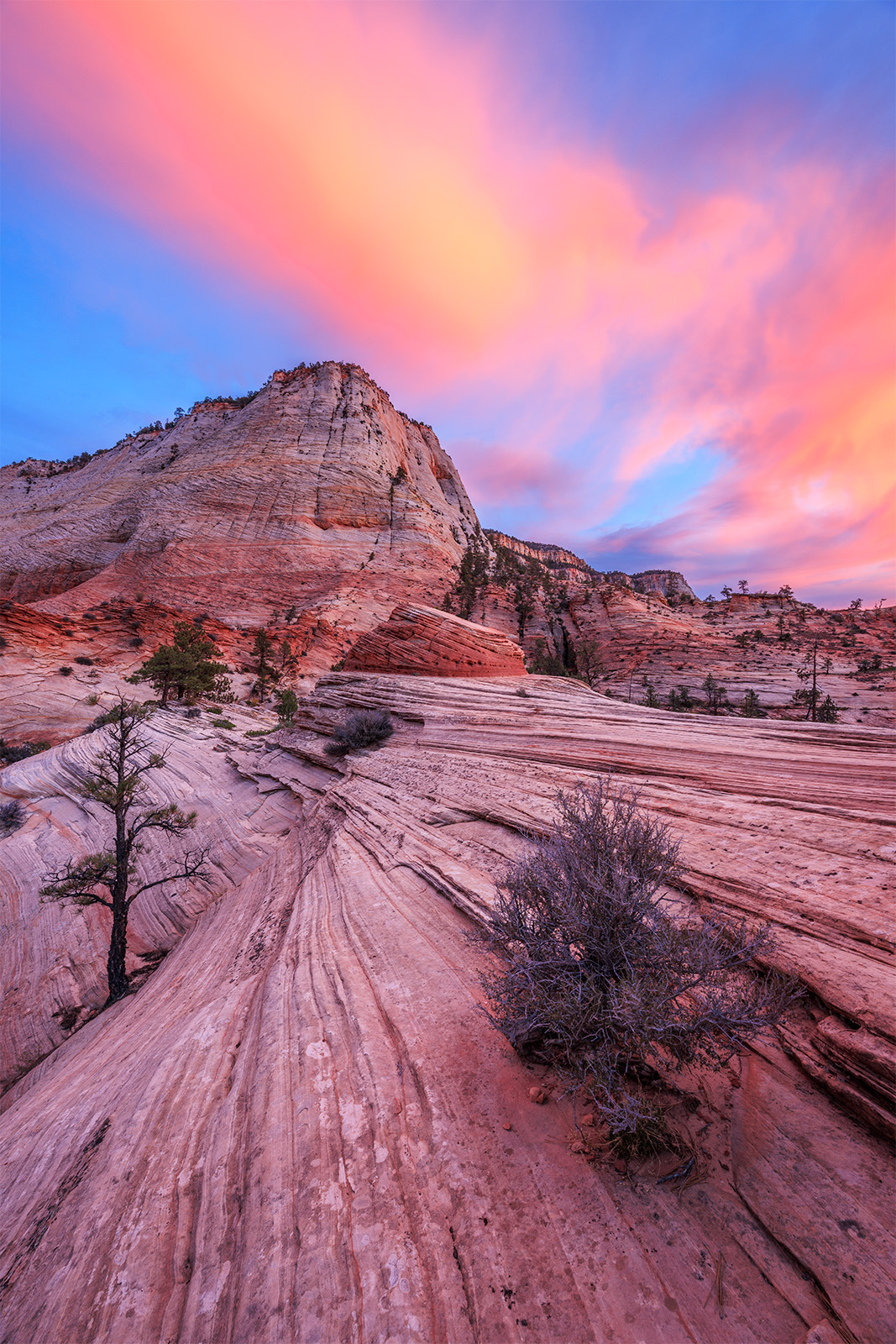
Leading lines that lead you home in Zion
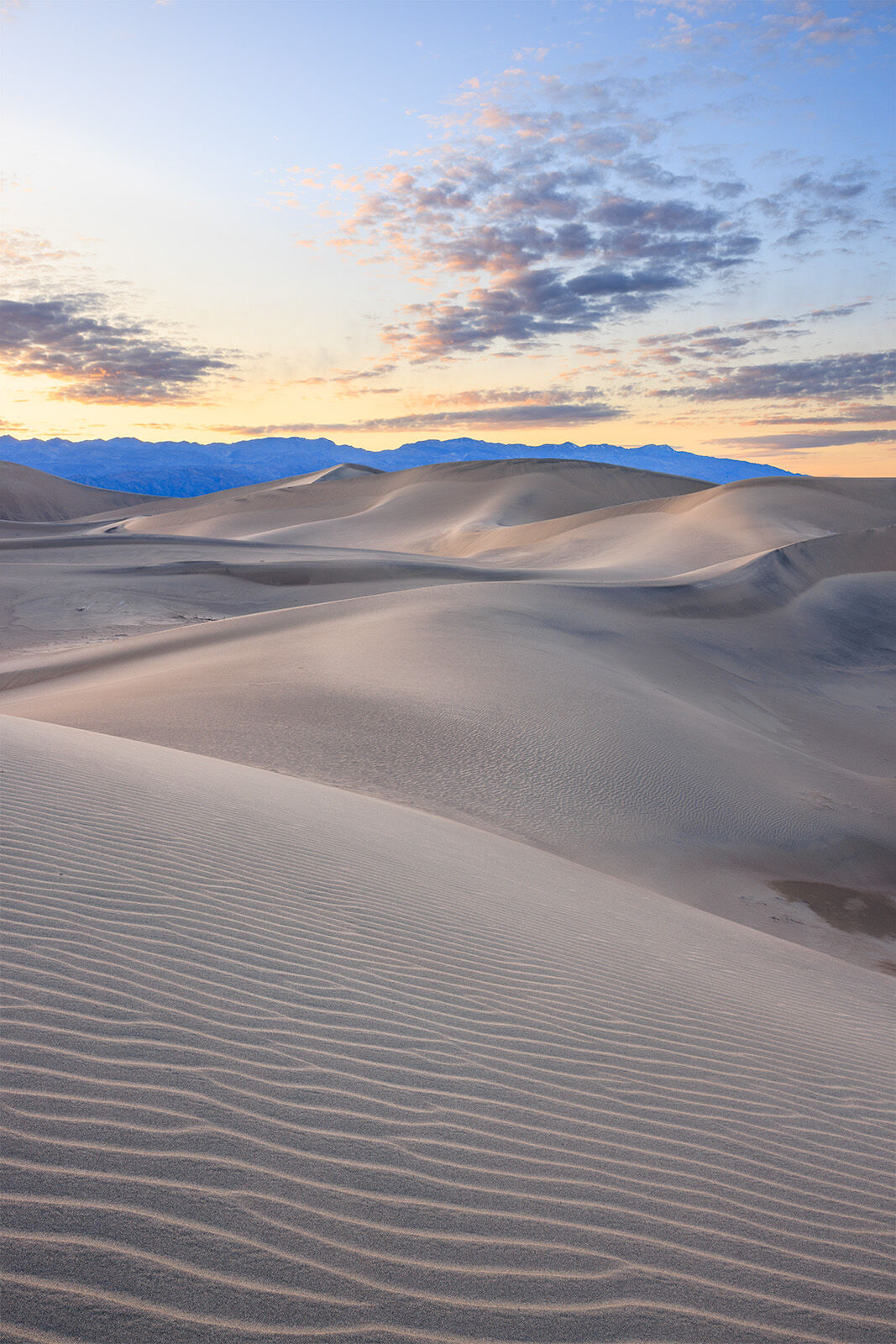
The genesis of this image was watching the clouds form and seeing how they mimic the curve of the dunes across the landscape.